

Seeds
$21.95
Sale price
$21.95
Regular price
Skip to product information

In stock

Alice James Books
Seeds
$21.95
Sale price
$21.95
Regular price
Ready to ship in 3 - 5 days
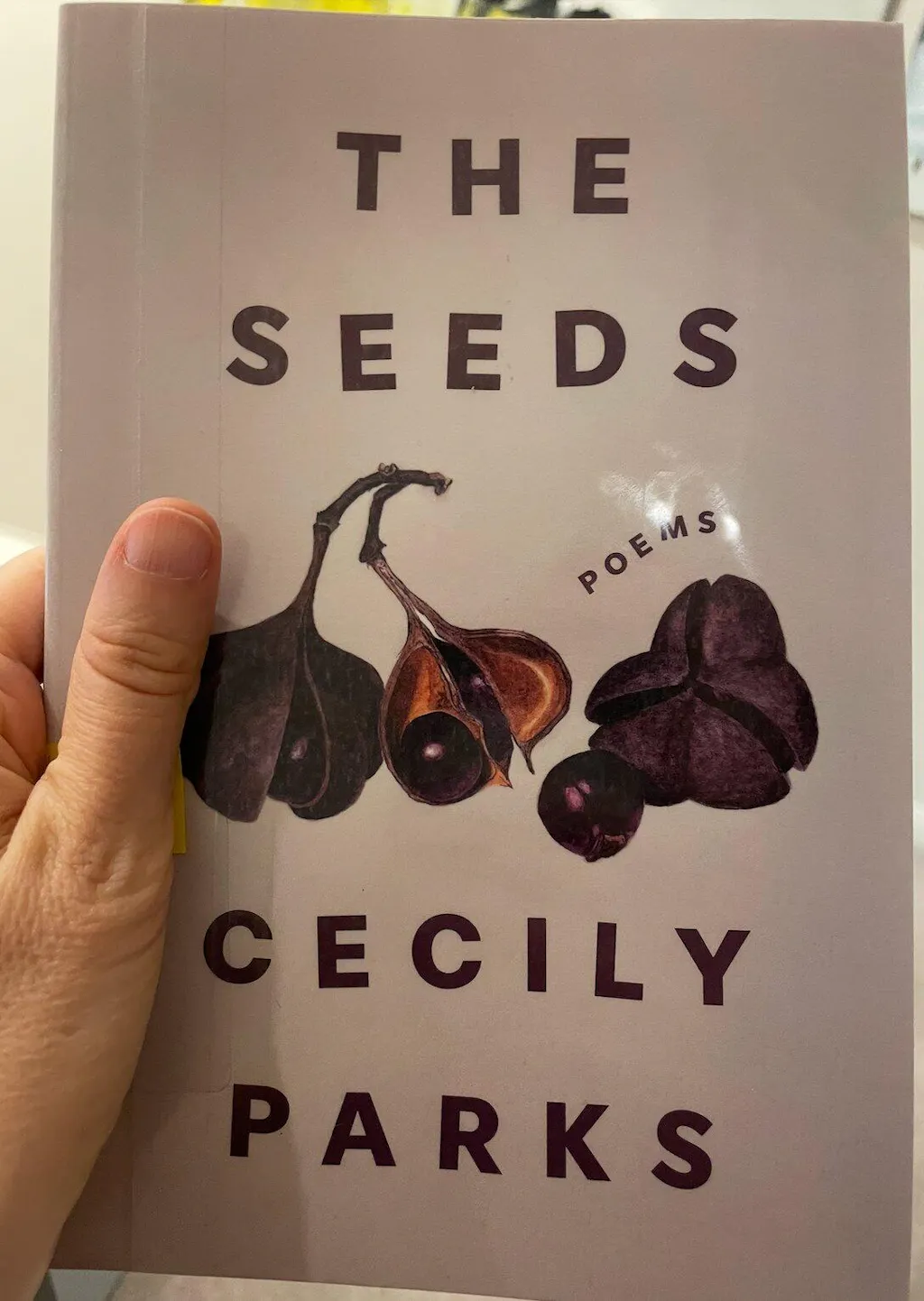
The Seeds confronts the ecological paradox of homemaking in an environment domesticity rejects--one of mess, disease, and everyday violence--to explore the equal distress and delight entangled in caring for a family, a new home, and the earth that sustains them.
Cecily Parks draws on literary sources ranging from nursery rhymes to The Odyssey to examine how we form relationships with the natural world. The lessons of these poems are in processes that underscore humanity's power to alter nature and powerlessness to control it: an epiphyte's fall from a live oak, an urban creek's response to drought, or a roof rat's nest-building in the attic of the poet's home. Motherhood positions the speaker to revisit her girlhood relation to the earth, and as her two young daughters exemplify the ease with which children can become nature's intimates, the speaker must confront the ecological disturbances that arise from her own attempts to prevent upset to the garden through aggression by weeds, animals, and weather.
The Seeds deconstructs what it means to love nature, especially when the natural world challenges our desires for beauty, abundance, and safety. Looking to more-than-human guides with an open mind and heart, Parks' third book is a collection of unconventional contemporary environmental histories, in which places become biological and emotional primers for those who will inherit them.
Book Details
- Publisher:
- Alice James Books
- ISBN:
- 9781949944891
- Binding:
- Paperback
- Pages:
- 100
- Authors:
- Cecily Parks
- Published Date:
- 2025-10-14
- Language:
- English
Shipping
Ships directly from US distribution partners.
Economy (6-10 days) or Express (2-3 days)
Most orders arrive in less than a week.
Returns
We offer a 30-day return policy, which means you have 30 days after receiving your item to request a return. To be eligible for a return, your item must be in the same condition that you received it: new, unworn or unused, and in its original packaging. See details on our Return & Refund policy.
You may also like
If any information on The Poetry Shop contains an error that requires correction, please contact info@thepoetryshop.com